
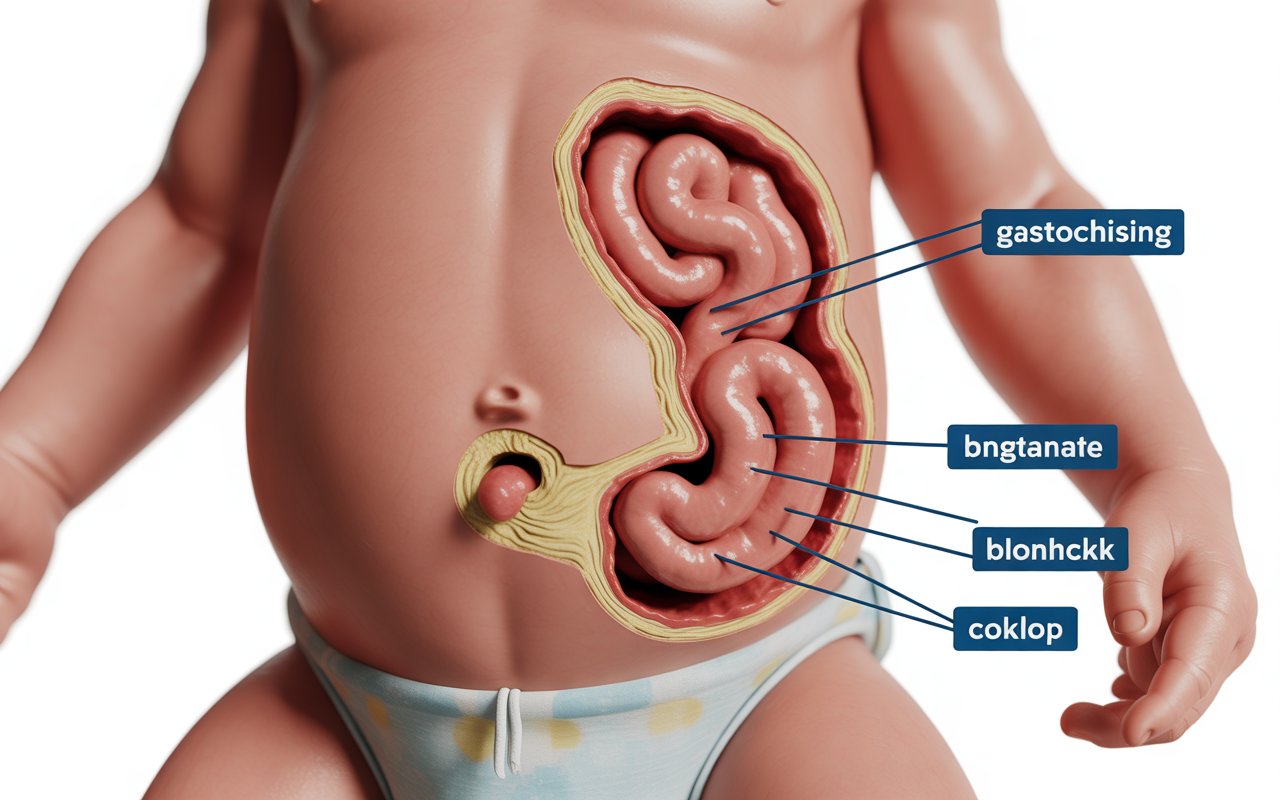
Gastroshiza is a rare congenital medical condition in which an infant’s intestines, and sometimes other abdominal organs, protrude outside the body through an opening beside the umbilicus. Unlike similar conditions, such as an omphalocele, it does not involve a protective sac covering the herniated organs.
Early detection and timely medical intervention are crucial for infants born with this condition. With proper care, most babies can recover and lead healthy lives. Despite its rarity, awareness of it among expectant parents and healthcare providers is vital for improving outcomes and reducing complications.
Understanding Gastroshiza
Definition and Medical Description
It involves the herniation of intestines and occasionally other organs through a defect in the abdominal wall near the umbilicus. This condition differs significantly from other abdominal wall defects because the protruding organs are not covered by a membrane, leaving them vulnerable to environmental exposure.
Difference from Omphalocele
A common point of confusion is between gastroshiza and omphalocele:
- Omphalocele: The herniated organs are enclosed within a protective membrane.
- Gastroshiza: The organs are exposed directly to the external environment without any covering.
This distinction is critical as it influences surgical approach, potential complications, and prognosis.
Significance of the Condition
It requires immediate medical attention due to the heightened risk of:
- Dehydration: Loss of bodily fluids from exposed intestines
- Infection: Direct exposure to bacteria and other pathogens
- Organ injury: Vulnerability to mechanical damage or irritation
Timely intervention helps reduce these risks and ensures a safer recovery for the newborn.
Causes and Risk Factors of Gastroshiza
Genetic Influences
While the exact cause of it is not fully understood, genetic factors may play a role. Most cases occur sporadically, but ongoing research is exploring possible hereditary links that could predispose infants to this condition.
Environmental Influences
Environmental factors during pregnancy may also increase the risk of it, including:
- Maternal exposure to tobacco, alcohol, or illicit drugs
- Certain medications, such as aspirin, ibuprofen, pseudoephedrine
- Poor prenatal nutrition
Maternal Factors
Other maternal factors linked to higher risk include:
- Younger maternal age (especially mothers under 20)
- Limited access to healthcare or prenatal resources
Unknown Factors
Despite these associations, the exact causes of gastroshiza remain under study, and researchers continue to investigate why some babies develop this defect while others do not.
Symptoms and Signs
Visible Symptoms at Birth
Gastroshiza is usually apparent immediately after birth. Key signs include:
- Intestines protruding near the belly button
- Possible herniation of the large intestine, stomach, or other organs
Complications of Exposed Organs
The exposed intestines and organs are highly vulnerable, making infants susceptible to:
- Physical injury
- Dehydration from fluid loss
- Infections due to a lack of protective covering
Prenatal Indicators
Many cases of it are now detected through routine prenatal ultrasound by the second trimester, allowing families and healthcare providers to prepare for postnatal interventions.
Diagnosis of Gastroshiza
Prenatal Diagnosis
Prenatal screening plays a key role in early identification of it. This typically involves:
- Routine ultrasound screenings
- Detection of abdominal wall defects by approximately 20 weeks of pregnancy
Postnatal Diagnosis
After birth, confirmation of gastroshiza occurs through:
- Visual examination of the protruding organs
- Physical assessment by a neonatal medical team
Additional Tests
Additional testing may be conducted to:
- Assess the extent of herniation
- Evaluate the health of the exposed intestines and other organs
Complications
Immediate Post-Birth Risks
Infants with gastroshiza face several urgent risks, including:
- Dehydration due to fluid loss from exposed intestines
- Infection from environmental exposure
- Organ injury or damage
Long-Term Complications
Some babies may experience long-term issues, including:
- Malabsorption or short bowel syndrome
- Intestinal atresia, where parts of the intestines do not develop properly
- Pressure-related complications affecting blood flow to the intestines and kidneys
- Respiratory difficulties due to limited space in the abdominal cavity
- Bowel necrosis occurs in severe cases, where intestinal tissue dies due to low blood flow or infection
Factors Affecting Complications
Several factors influence the severity and outcome of gastroshiza complications:
- Size of the abdominal cavity
- Timing and type of surgical intervention
- Type of nutrition (breastfeeding may reduce infection and improve recovery)
Treatment
Immediate Postnatal Care
Infants born with it require urgent medical attention immediately after birth to protect their exposed organs and stabilize their condition. Key steps include:
- Covering exposed organs with sterile, moist dressings: This protects the intestines from injury and reduces fluid loss.
- Use of special plastic coverings or silo: A silo is a sterile plastic pouch that contains the intestines, keeping them safe and allowing gradual repositioning into the abdominal cavity.
- Maintaining body temperature and fluid balance: Because the exposed organs can lead to rapid heat and fluid loss, careful monitoring is essential to prevent hypothermia and dehydration.
Surgical Intervention
Surgery is the definitive treatment for gastroshiza. The approach depends on the size and severity of the defect:
- Primary Repair: For smaller defects, surgeons can return the intestines to the abdomen and close the opening in a single operation.
- Staged Repair: For larger defects, the intestines are gradually repositioned into the abdominal cavity over several days using a silo before the final closure.
Supportive Care
During the recovery process, supportive care is crucial to ensure the infant’s organs heal properly:
- IV nutrition before oral feeding: Since the intestines may not immediately handle milk or formula, intravenous nutrition provides essential calories and fluids.
- Respiratory support: Some infants may require a ventilator due to increased abdominal pressure or compromised lung expansion.
- Antibiotics to prevent infection: The risk of infection is high due to the exposure of organs and surgical intervention.
Post-Surgical Care for Gastroshiza
After surgery, careful monitoring and gradual transition to normal feeding are essential:
- Gradual introduction of milk feeds: Infants start with small, slowly increasing amounts of milk as the intestines adapt.
- Monitoring organ function and overall recovery: Vital signs, digestive function, and weight gain are closely tracked to ensure a healthy recovery.
Prognosis and Long-Term Outcomes from Gastroshiza
Recovery Rates
With modern medical care and surgical techniques, most infants with recover successfully and can go on to lead healthy lives.
Potential Challenges
Some children may face long-term issues, including:
- Digestive problems due to initial intestinal injury or reduced bowel length
- Need for follow-up surgeries in cases with severe defects or complications
Factors Influencing Prognosis of Gastroshiza
Several factors affect recovery and long-term outcomes:
- Size of the abdominal cavity: A small cavity can complicate surgical repair.
- Early detection: Prenatal diagnosis allows planning for immediate postnatal care.
- Quality of neonatal care: Hospitals with experienced neonatal surgical teams improve outcomes.
Importance of Multidisciplinary Care
A team approach ensures comprehensive care:
- Surgeons: Perform the repair and manage complications
- Neonatologists: Oversee overall health and organ function
- Nutritionists: Guide IV and oral nutrition transitions
- Nurses: Provide day-to-day monitoring and support
Preventive Measures and Maternal Health
Maternal Lifestyle Recommendations
While gastroshiza cannot always be prevented, mothers can reduce risk factors through healthy practices:
- Avoid tobacco, alcohol, and non-prescribed drugs
- Maintain good prenatal nutrition to support fetal development
Regular Prenatal Checkups
Routine prenatal care allows for:
- Early detection of abdominal wall defects
- Planning for postnatal interventions and delivery at specialized centers
Importance of Awareness
Educating expectant mothers about risk factors and the importance of prenatal screenings enhances outcomes and reduces complications.
Supporting Families
Emotional Support
A diagnosis of gastroshiza can be stressful for parents. Support strategies include:
- Counseling and peer support to help manage anxiety
- Guidance on coping with stress during the prenatal and postnatal period
Medical Guidance
Families benefit from structured support in caring for their newborn:
- Instructions for post-discharge care
- Monitoring the child’s development, nutrition, and recovery
Resources for Families
Access to specialized care and educational resources improves outcomes:
- Hospitals with specialized neonatal units
- Support groups and educational materials for parents
Conclusion
Gastroshiza is a rare but serious congenital condition characterized by the protrusion of intestines and sometimes other organs outside the abdominal wall. Early detection through prenatal screening, immediate postnatal care, and timely surgical repair are critical to ensuring a positive outcome.
With modern medical techniques and multidisciplinary care, most infants recover successfully, though some may face long-term digestive challenges. Educating mothers about risk factors, promoting prenatal care, and providing emotional and medical support to families are essential components of comprehensive care.
Through awareness, careful monitoring, and access to specialized healthcare, families can navigate the challenges of it and help their children thrive.