
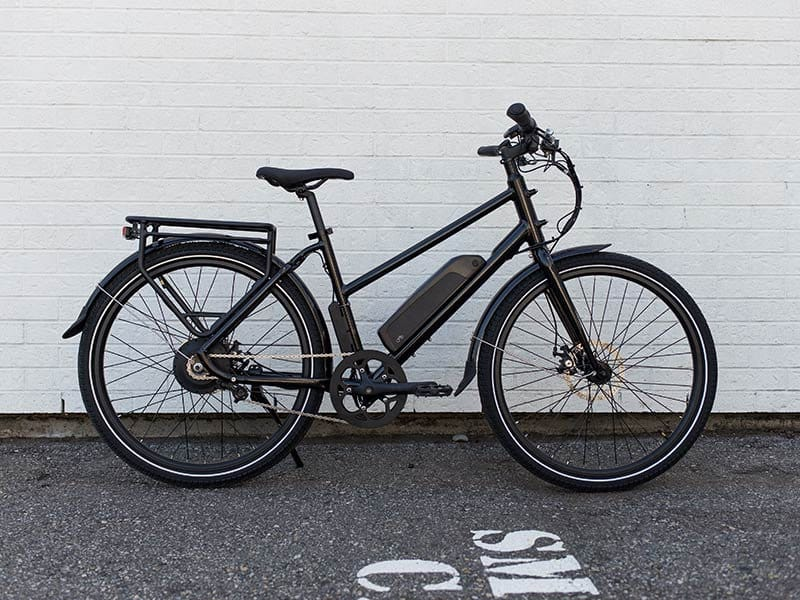
The traditional American commute is undergoing a long-overdue mid-life crisis. For decades, the ritual of sitting in stop-and-go traffic, white-knuckling a steering wheel while the radio blares, was considered an unavoidable tax on professional life. But as we move through 2026, the “dreaded commute” is being replaced by a more intentional, exhilarating alternative. The rise of active commuting with electric bikes is not just a passing trend; it is a structural shift in how Americans value their time, their health, and their environment.
By integrating a motorized boost into a classic design, the e bike has dismantled the physical and psychological barriers that once kept people off two wheels. It has turned the morning slog into a morning “warm-up,” allowing commuters to reclaim the first 30 minutes of their day as a source of energy rather than a drain.
Breaking the Sweat Barrier
The primary innovation of the modern electric bike is the pedal-assist system. Unlike a moped, it requires the rider to pedal, but the motor amplifies that effort. This “boost” means a 10-mile commute no longer feels like a grueling athletic event. Professionals can now travel at speeds of 20 to 28 mph with minimal exertion, meaning they can arrive at a 9:00 AM meeting in business casual attire without needing a shower. By extending the viable “commuting range,” these machines have effectively tripled the number of people who can realistically ditch their cars for daily transit.
Leveling the Topographical Playing Field
In hilly cities like San Francisco, Seattle, or Asheville, traditional cycling was often a non-starter for the average person. Electric motors act as a topographical equalizer, flattening steep inclines and making the commute accessible to seniors, people with minor physical limitations, or those who simply aren’t in peak athletic condition. In 2026, data shows that motorized riders are actually more “active” over the long term than traditional cyclists because they ride more often and for longer durations, no longer intimidated by a stiff headwind or a steep bridge.
A Triple Threat of Personal Benefits
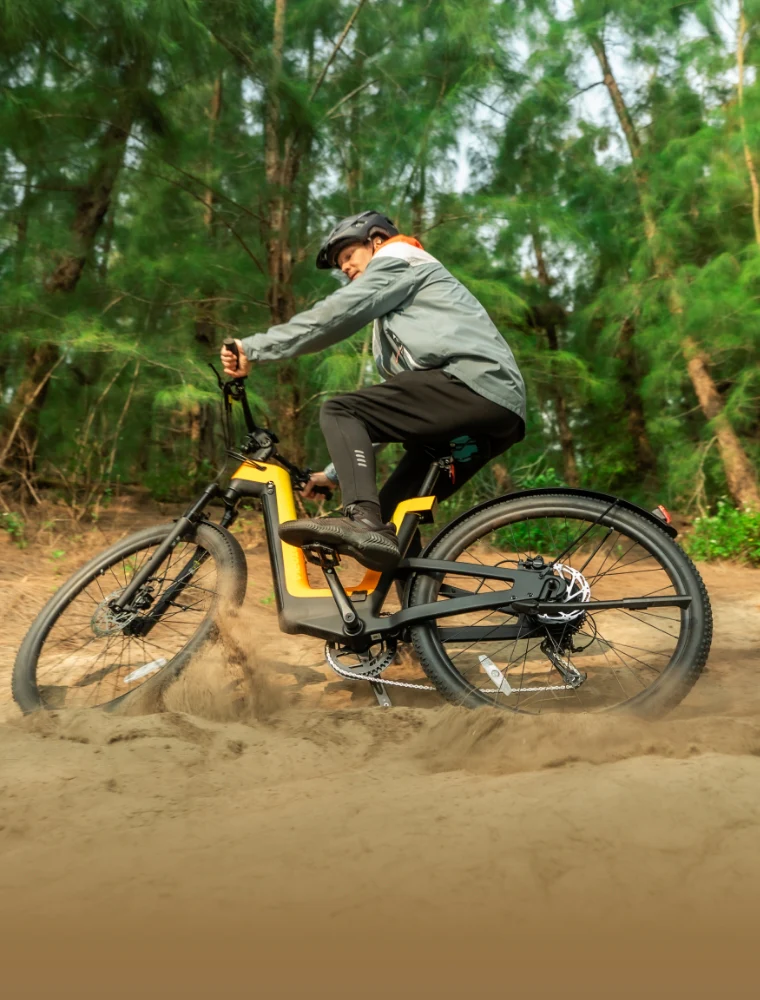
The shift to active commuting pays dividends across three major sectors: the body, the mind, and the wallet. Medical research from the past few years has consistently shown that pedal-assist commuting provides “moderate-intensity” exercise, which is exactly what doctors recommend for cardiovascular health. Because it is low-impact, it is easier on the joints than running, making it a sustainable habit for a lifetime.
The Mental Health Margin
Perhaps more importantly is the “mental health margin.” Car commuters often arrive at work already stressed from traffic and “commuter rage.” In contrast, those who spend their morning in the fresh air, moving their bodies and engaging with their surroundings, report significantly lower cortisol levels and higher workplace productivity. The ride home serves as a much-needed “decompression chamber,” separating the stresses of the office from the sanctuary of the home. It turns a passive, frustrating experience into an active, meditative one.
Economic Freedom in a Tight Economy
With the cost of car ownership—including insurance, maintenance, and gas—surpassing $12,000 annually for many Americans, the bicycle represents a massive financial relief valve. Investing in good electric bikes typically pays for itself within the first year of ownership just through savings on parking and fuel. In 2026, as urban parking rates continue to climb and congestion pricing becomes more common in cities like New York and Chicago, the economic argument for two wheels is becoming impossible to ignore.
Designing Cities for People, Not Grilles
An electric bike is only as good as the road it’s ridden on. The surge in active commuting has forced a radical rethink of American urban planning. Cities across the U.S. are moving away from “sharrows” (painted arrows on the road) toward protected bike lanes and “bike highways.” These are physically separated corridors that allow micromobility users to move through the city with the same priority and safety as cars.
The Corporate Wellness Catalyst
The private sector has also stepped up. In 2026, a “bike-friendly” office is a major recruiting tool. Companies are now offering “E-Bike Benefits” similar to health insurance. This includes secure, indoor charging stations, on-site showers, and even stipends for employees who commit to an active commute. This isn’t just altruism; companies have found that active commuters take fewer sick days and have higher overall job satisfaction, leading to a more resilient and energized workforce.
Future-Proofing the Daily Ride
As we move further into the decade, the technology surrounding electric mobility has matured significantly, addressing the two biggest concerns: theft and safety. Modern units are now fully connected to our digital lives. Integrated GPS tracking has made theft a much less lucrative endeavor for criminals, as many bikes can be remotely disabled or tracked in real-time via smartphone apps.
Furthermore, battery density has increased to the point where “range anxiety” is a thing of the past. A single charge can now easily cover a 40-mile round trip, and fast-charging technology allows commuters to top up their battery during a lunch break or a few hours at their desk, ensuring they always have the power needed for the trek home.
Reclaiming the American Street
The rise of active commuting is more than just a transportation story; it is a story about the “re-humanization” of our cities. For too long, we accepted that the time spent between home and work was a “dead zone”—lost time spent in a metal box. The electric bike has reclaimed that time.
By making the commute active, we are improving our hearts, our minds, and our environment simultaneously. As 2026 continues to see record-breaking sales and infrastructure expansion, the message is clear: the future of the American commute doesn’t have four wheels and a gas tank. It has two wheels, a motor, and a rider who arrives at their destination feeling better than when they left.
Conclusion
Ultimately, the shift toward electric-assisted transit represents a more balanced way of living. We are seeing a generation of Americans who no longer view their commute as a chore to be endured, but as an opportunity to be seized. As our cities become denser and our climate goals more urgent, the e-bike stands out as the most practical, joyful, and scalable solution we have. The road ahead is paved with less asphalt and more opportunity, inviting us all to join the pedal-assist revolution.