
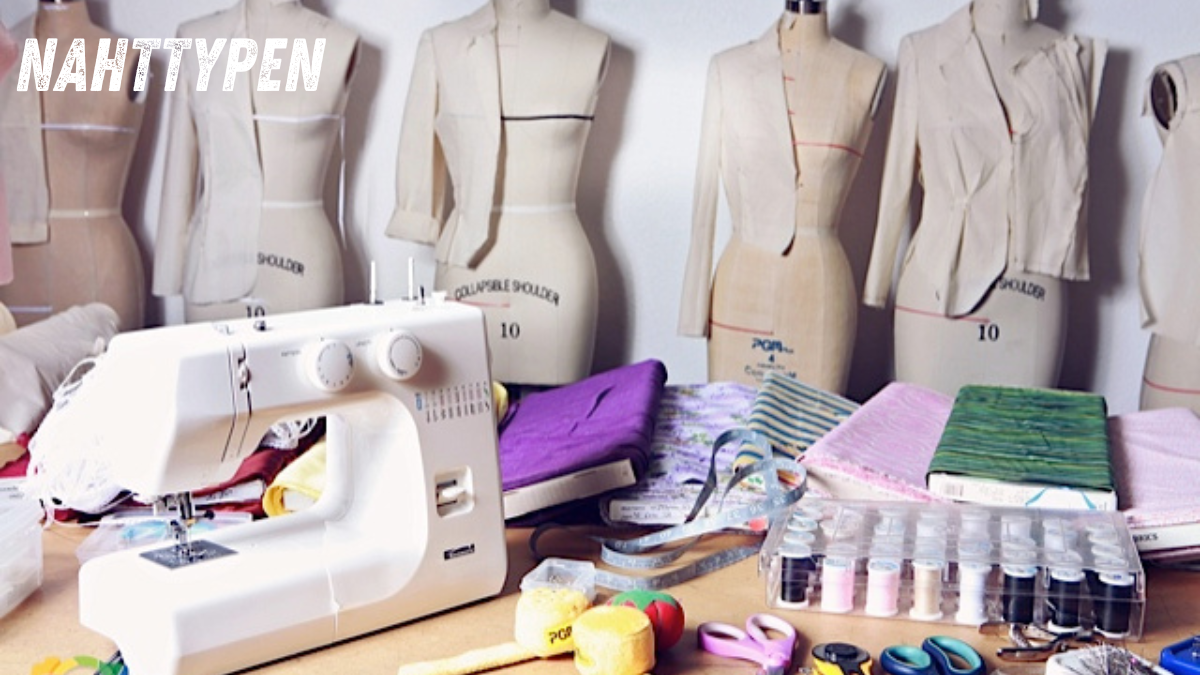
Nahttypen might sound like a technical sewing term, but it’s actually one of the most practical concepts you can learn if you want your projects to look cleaner, last longer, and feel more comfortable. In simple words, Nahttypen means types of seams, and seams are what hold fabric together in every garment, bag, pillowcase, or handmade outfit you create.
If sewing is the art, then seams are the engineering behind it. You can use the most expensive fabric in the world, but if the seam choice is wrong, the whole project can stretch out, fray, split, or feel bulky. This guide will walk you through seam types in a clear way, so you can choose the right seam for the right fabric without second guessing yourself.
Nahttypen Means in Sewing and Why It Matters
Nahttypen is the German word used to describe different seam types, meaning the methods used to join fabric pieces together. A seam is not just a stitched line. It is a structural element that affects how a garment fits, how it behaves during movement, and how well it survives washing and daily wear.
When you understand Nahttypen, you stop sewing randomly and start sewing intentionally. You begin choosing seams based on fabric weight, stretch, durability needs, and the look you want inside the garment. That’s exactly what professional tailors do, and it’s a skill that instantly upgrades your sewing results.
Nahttypen vs Stitch Types Difference Most People Miss
Many beginners confuse seam types with stitch types, and honestly, it’s an easy mistake to make. Stitch types are the patterns your sewing machine creates, such as straight stitch, zigzag stitch, or stretch stitch. Seam types are the construction methods that use those stitches to connect fabric pieces.
For example, a French seam uses a straight stitch, but it is still a different seam type because of how the fabric is folded and stitched twice to hide raw edges. Once you understand this, Nahttypen becomes much easier, because you realize you’re learning methods, not just machine settings.
Why Nahttypen Changes the Quality of Every Sewing Project
Seams decide whether your project feels strong or fragile. A basic seam might work fine for a cotton skirt, but the same seam could fail quickly on denim jeans or tight leggings. That’s why seam selection is not optional if you want long-lasting results.
Nahttypen also affects the comfort of clothing. Some seams lie flat and feel smooth against the skin, while others can be bulky and irritating. If you’ve ever worn a shirt where the inside seam scratched your body, you’ve already experienced why the right seam type matters.
Main Nahttypen Categories Every Sewist Should Know
Most seam types fall into a few categories. You have basic seams for everyday sewing, strong seams for heavy fabrics, clean-finish seams for delicate fabric, stretch seams for knit materials, and decorative seams used to add style and structure.
These categories are helpful because you don’t need to memorize every seam on day one. Instead, you learn what the seam must do, then choose the best seam type for that job. Thinking this way makes Nahttypen feel less like a textbook and more like a practical toolkit.
Basic Nahttypen for Beginners and Everyday Sewing
The plain seam is the most common seam used in sewing. It’s made by placing fabric right sides together, stitching along the seam allowance, and then pressing the seam. This seam works beautifully for many woven fabrics, and it’s the foundation of most beginner sewing projects.
Another simple option is the double-stitched seam. It’s basically a plain seam with an extra line of stitching for reinforcement. This small step can make a big difference in durability, especially in areas that get pulled often, like side seams or armholes.
Strong Nahttypen for Denim Workwear and Heavy Fabric
When you sew heavy fabric, strength becomes the priority. The flat-felled seam is one of the strongest seams you can make, and it’s famous for being used in jeans. It encloses raw edges, adds reinforcement, and looks professional on both the inside and outside of the garment.
Another strong option is the lapped seam. Instead of placing fabric edges together, you overlap them and stitch through layers. This reduces bulk and increases strength, making it ideal for thick materials like canvas, coats, and structured bags. These Nahttypen are built for real-world wear.
Clean Finish Nahttypen for Professional Looking Sewing
French seams are one of the most elegant seam types, especially for delicate fabrics. They are sewn in two steps so that raw edges are completely hidden inside the seam. This makes the inside of your garment look polished and prevents fraying without needing an overlocker.
Bound seams are another professional favorite. They use bias tape to wrap the seam allowance, creating a clean, decorative interior finish. Tailored jackets and high-quality garments often use bound seams because they add strength and beauty. This is where Nahttypen starts feeling like luxury sewing.
Stretch Nahttypen for Knit Fabrics and Activewear
Stretch fabrics require seam types that can stretch without snapping. If you sew knits using a regular straight stitch, the thread often breaks when the fabric is pulled. That’s why zigzag seams are one of the simplest and most reliable solutions for knit garments.
If you have an overlocker, overlock seams are ideal for knit sewing. They stretch well, finish edges at the same time, and create a professional result similar to store-bought clothing. For leggings, sportswear, and T-shirts, stretch-friendly Nahttypen is not just helpful, it’s essential.
Decorative Nahttypen That Add Style and Structure
Not every seam needs to hide quietly in the background. Decorative seams are designed to be seen, and they can completely change the look of a garment. Topstitching is one of the easiest decorative techniques, and it also reinforces seams at the same time.
Piped seams and contrast seams can make a simple garment look high-end. They create a clean visual line and highlight shape, especially in dresses and jackets. These Nahttypen are popular in fashion design because they combine beauty and function in one detail.
Seam Finishes That Protect Nahttypen from Fraying
Even the strongest seam can look messy if the fabric edges fray. That’s why seam finishing is a big part of seam quality. A zigzag finish is one of the easiest methods. You simply zigzag along the raw edge to stop threads from unraveling.
Overlocking is one of the best finishes if you own a serger. Another beautiful option is bias binding, which covers raw edges with fabric tape. When you pair good seam finishes with the right Nahttypen, your garments stay clean, durable, and comfortable over time.
Nahttypen for Different Fabric Types (Woven, Knit, Delicate, Thick)
Woven fabrics like cotton, linen, and broadcloth work well with plain seams, French seams, and clean-finished seams. These fabrics do not stretch much, so seam choice is mostly about durability and neat finishing rather than flexibility.
Knit fabrics require stretch-friendly seams like zigzag or overlock seams. Delicate fabrics like silk benefit from French seams because they prevent fraying and keep the inside smooth. Thick fabrics like wool often need seams pressed open and finished neatly to avoid bulky ridges.
How to Choose the Right Nahttypen for Any Project
The easiest way to choose a seam type is to ask three simple questions. Does the fabric stretch? Will the seam carry stress? And do you want the inside to look clean without extra finishing? These questions guide you to the best seam almost every time.
It’s also smart to test seam types on scrap fabric before sewing the final garment. Fabric behaves differently depending on weave, thickness, and softness. A seam that looks perfect on cotton might look bulky on wool. Testing makes Nahttypen choices easier and more confident.
Common Nahttypen Mistakes That Ruin Sewing Projects
One common mistake is using a weak seam for high-stress areas. Underarm seams, crotch seams, and tight side seams need reinforcement. If you use a plain seam without extra strength, the garment may split during movement, even if your stitching looks neat.
Another mistake is skipping seam finishing. Raw edges might seem fine at first, but after washing, they fray and make the inside messy. Seam finishing is not an extra step, it’s part of quality sewing. Good Nahttypen always includes a plan for clean edges.
Tools and Machines That Help You Sew Nahttypen Better
A regular sewing machine can handle most seam types. You can sew plain seams, French seams, zigzag seams, and many clean finishes without special equipment. One tool that matters just as much as your machine is an iron, because pressing makes seams look professional.
If you sew knits often, a serger is a powerful upgrade. It makes seams faster, stretchier, and cleaner. Coverstitch machines are useful for hemming activewear and T-shirts. While machines help, you can still create excellent Nahttypen with basic tools and careful technique.
Nahttypen Cheat Sheet for Quick Seam Selection
For beginners, plain seams and zigzag seams are the easiest and most flexible options. If you want clean finishing, French seams and bound seams are excellent. If strength is your goal, flat-felled seams and double-stitched seams are some of the best choices.
For knit fabrics, overlock seams and stretch stitches work best. For decorative style, topstitching and piped seams add visual interest. Keeping a simple seam reference list near your sewing machine helps you remember which Nahttypen fits each type of fabric and garment.
Conclusion
Nahttypen is not about memorizing complicated seam names. It’s about understanding what seams do and choosing the right one for your fabric, your project, and your style. When you learn seam types, you stop guessing and start building garments that last longer and look cleaner.
The best way to improve is simple. Practice a few seam types on scrap fabric, press them properly, and compare how they look and feel. Over time, seam selection becomes natural. With the right Nahttypen, your sewing projects won’t just look good, they will feel strong and professional.