
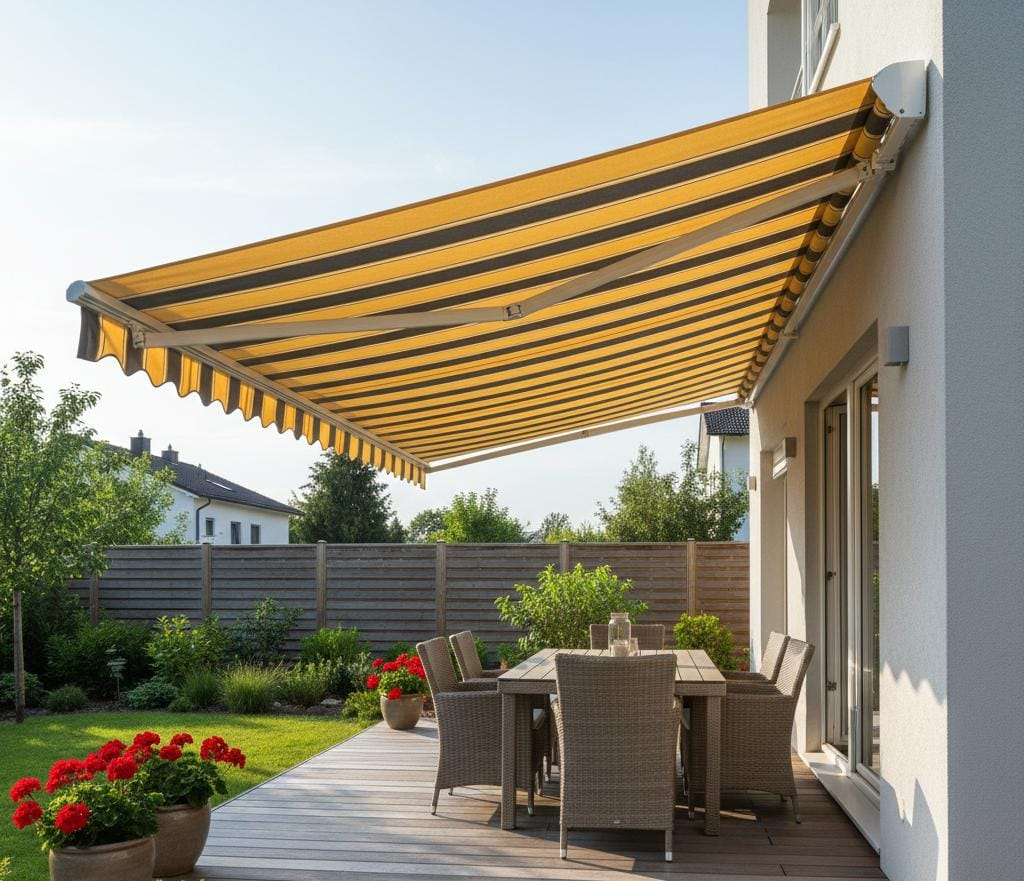
Markiseteppe has become an essential feature in modern outdoor living, transforming simple patios, balconies, and terraces into stylish, comfortable, and functional extensions of your home or business. Whether it is an integrated shading system or a durable outdoor mat, it improves usability, enhances aesthetics, and even contributes to energy efficiency. In this guide, we cover everything you need to know about it from its origins and materials to installation, maintenance, and smart design tips.
It also helps protect outdoor surfaces from wear caused by weather exposure and frequent use. By creating a defined, comfortable space, it enhances both relaxation and social experiences outdoors. With the growing emphasis on sustainable and adaptable design, markiseteppe continues to evolve as a practical solution for modern lifestyles.
What Is Markiseteppe
The term comes from Norwegian: markise meaning awning, and teppe meaning carpet. In practice, it refers to a versatile outdoor solution that enhances comfort, cleanliness, and style.It exists in two main forms
- Architectural A multifunctional textile-based shading system integrated with structures like pergolas, balconies, and terraces.
- Outdoor Mat A weather-resistant mat or carpet rolled out under awnings, tents, or patios to create a comfortable surface.
Types of Markiseteppe
Architectural
- Combines fabric tension, structural framing, and modular design.
- Protects against UV rays, rain, and wind, while defining outdoor spaces.
- Can be installed on façades, pergolas, balconies, or freestanding frames.
- Modern systems often feature motorization, smart sensors, and lighting integration.
Outdoor Mat Carpet
- Durable, weather-friendly mat for camping areas, patios, and balconies.
- Handles foot traffic, light rain, dirt, and sunlight.
- Balances aesthetic appeal, breathability, and easy cleaning.
- Often made of woven polypropylene to allow airflow and quick drying.
Benefits of Markiseteppe
Comfort and Usability
Architectural systems create shaded, cool seating areas, reducing glare and UV exposure. Mats provide cushioned, barefoot-friendly surfaces that make outdoor living more enjoyable. Both forms extend usable outdoor space for residential and commercial settings, from cafés to rooftops.
Energy and Environmental Benefits
- Shading systems can reduce indoor cooling loads by up to 20%.
- Outdoor mats help maintain healthy grass and prevent moisture accumulation.
- Modern Markiseteppe systems promote sustainability, using recycled fabrics and eco-friendly frames.
Aesthetic and Space Enhancement
It adds style and sophistication, defines zones, and improves the overall visual appeal of outdoor areas. Multiple mats or modular shading systems can create distinct functional zones, such as dining and lounge areas, in larger spaces.
Materials and Construction of Markiseteppe
Architectural
- Fabrics: Solution-dyed acrylic, PVC-coated polyester, micro-perforated technical textiles.
- Frames: Powder-coated aluminum, stainless steel, galvanized iron.
- Finishes: UV-protection coatings, water repellency, eco-conscious options like recycled fibers or OEKO-TEX® certified textiles.
Outdoor Mat Markiseteppe
- Material: Woven polypropylene, breathable, UV-resistant.
- Features: Durable, cushioned underfoot, fast drying, air-permeable.
- Patterns & Colors: Neutral mid-tones, muted stripes, or subtle geometric designs to blend with furniture and surroundings.
Markiseteppe Evolution and Trends
Architectural Markiseteppe
- Evolved from Scandinavian canvas covers to architectural-grade systems.
- Modern systems feature automation, integrated lighting, weather sensors, and smart IoT capabilities.
- Focus on modularity, energy efficiency, and aesthetic versatility.
Outdoor Mat
- Started as simple camping mats and evolved into stylish, functional outdoor décor.
- Incorporates durable, breathable weaves for comfort and quick drying.
- Available in a variety of sizes and patterns to suit different outdoor setups.
Choosing the Right Markiseteppe
Architectural Systems
- Evaluate sunlight, wind, and rain exposure.
- Decide between fixed or retractable systems; manual or motorized.
- Measure the installation area precisely to ensure proper fit and coverage.
- Choose weather-resistant materials that match your climate and maintenance preferences
Outdoor Mats
- Measure usable footprint carefully; leave small margins to avoid curling edges.
- Match material to usage:
- Choose colors and patterns that hide dirt and complement outdoor furniture.
Sizing and Specifications of Markiseteppe
Architectural
- Installation types: wall-mounted, pergola-integrated, or freestanding.
- Consider wind ratings, fabric tension, and motorized mechanisms.
- Customizable dimensions to fit terraces, balconies, and commercial spaces.
Outdoor Mats
| Space Type | Typical Size (m) | Weight | Best Material | Notes |
| Small balcony | 1.2 × 2 to 1.5 × 2.5 | Light | Woven PP | Leave rinse border, avoid door rub |
| Caravan fortelt | 2.5 × 4 to 3 × 5 | Mid | Breathable PP | Packs easily, resists wet grass |
| Patio under pergola | 3 × 4 to 4 × 5 | Mid-Dense | UV-resistant PP | Quick drying, keeps grit off paving |
| Family deck | 2 × 3 to 3 × 3 | Mid | PP with bound edges | Soft underfoot, easy clean |
| Seasonal campsite | 3 × 6 or custom | Mid | Breathable PP | Stable under chairs, good for long stays |
Installation Tips of Markiseteppe
Architectural Systems
- Use certified installers for wall or pergola mounting.
- Ensure proper tensioning of fabric and frame stability.
- For retractable systems, confirm motorized operation and sensor calibration.
Outdoor Mats
- Surface Prep: Sweep, rinse, or mow the ground.
- Anchoring: Use low-profile stakes or flat weights; eyelets should be outside walking paths.
- Furniture Placement: Place chairs/tables on stable areas; add flat coasters for uneven ground.
Cleaning Care and Maintenance of Markiseteppe
Daily and Seasonal Care
- Outdoor mats: Shake off dirt, hose with water, and clean stains with mild soap or vinegar solution.
- Architectural systems: Inspect frames, brackets, and fabrics; clean surfaces and lubricate moving parts annually.
- Storage: Dry completely, roll or fold loosely, store out of direct sunlight.
Common Issues and Prevention of Markiseteppe
- Fabric sagging, mechanical wear, sensor malfunctions.
- Use UV-stable threads, reinforced hardware, and professional servicing every 2–3 years.
Markiseteppe Styling and Layout
- Align mats or shades with dominant lines (balcony railing, pergola beams).
- Pair colors with furniture and surroundings; neutral tones work well in most outdoor spaces.
- Use multiple mats to create functional zones like dining and lounging areas.
Budgeting and Value
- Compare price per season for mats; mid-range options often outperform cheap replacements.
- Consider longevity and durability for motorized shading systems.
- Check quality indicators: tight weave, bound edges, breathable fabrics.
Conclusion
Markiseteppe is a versatile solution for outdoor comfort, style, and functionality. Whether it’s a high-tech retractable shading system or a durable outdoor mat, it enhances usability, aesthetics, and energy efficiency.
From urban balconies to luxury resort terraces, it transforms spaces into comfortable, stylish, and practical outdoor environments. With proper selection, installation, and care, it becomes a long-term investment in outdoor living.