
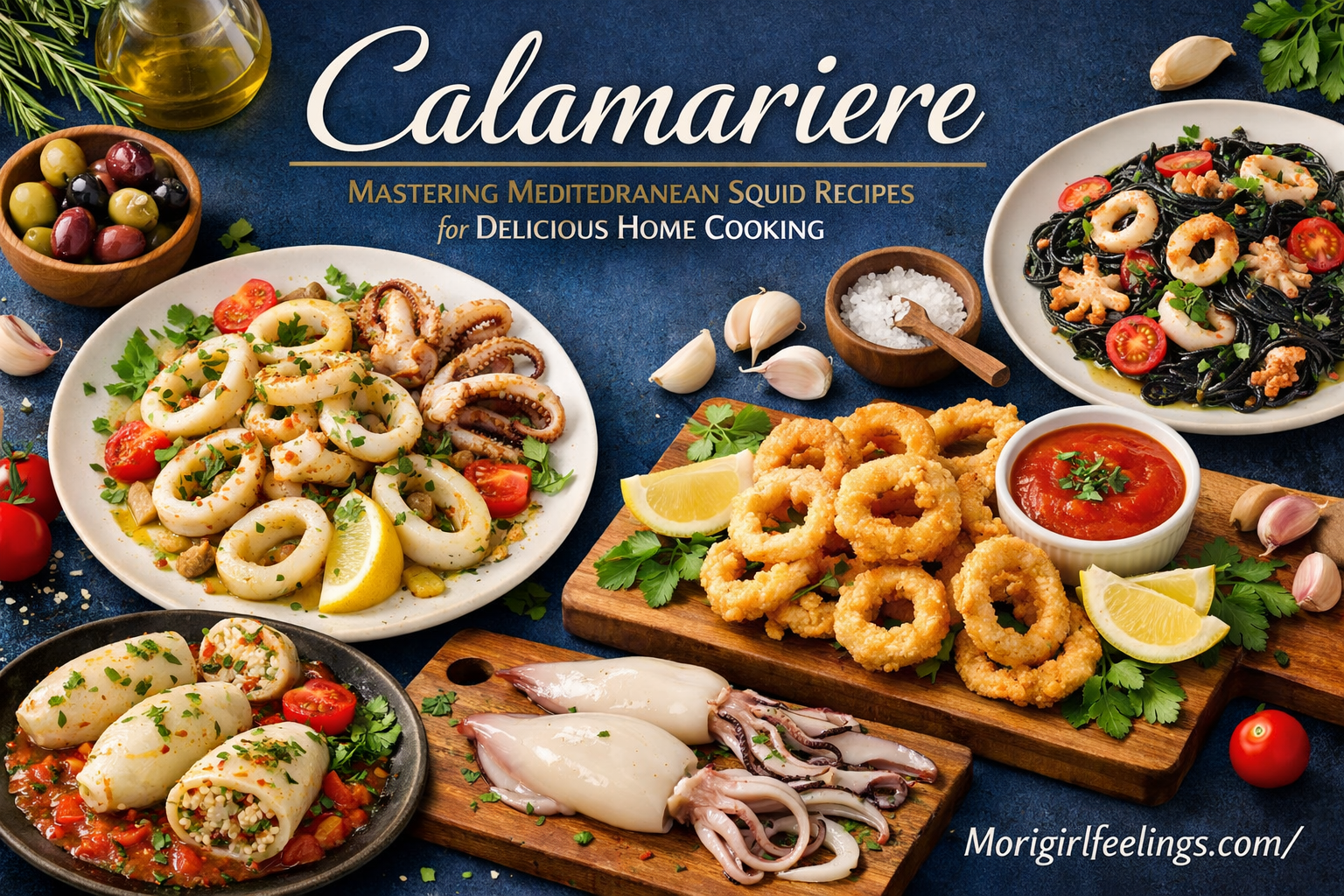
Calamariere is a celebrated Mediterranean squid dish known for its tender texture, rich flavors, and versatile preparation methods. It combines the freshness of squid with aromatic herbs, olive oil, and subtle spices, delivering a culinary experience that is both elegant and approachable for home cooks. Mastering Calamariere allows anyone to enjoy a gourmet seafood meal in the comfort of their kitchen.
The charm of Calamariere lies not just in its taste but also in its cultural significance. Rooted in Mediterranean cuisine, this dish reflects centuries of coastal culinary traditions where fresh seafood takes center stage. Learning to prepare Calamariere provides insight into Mediterranean cooking principles, emphasizing balance, freshness, and the careful layering of flavors.
What is Calamariere Understanding the Dish
Calamariere is more than just fried squid; it is a carefully crafted Mediterranean dish that highlights the natural sweetness of fresh squid. Unlike typical fried calamari, Calamariere often incorporates herbs, garlic, lemon, and other regional ingredients, giving it a unique depth of flavor. Its origins trace back to Mediterranean coastal regions, where seafood has long been a staple of the diet.
Understanding Calamariere also means appreciating the culinary techniques that make it special. The squid is usually tenderized, marinated, or lightly cooked to preserve its delicate texture. This dish serves as a bridge between traditional home cooking and sophisticated seafood cuisine, allowing cooks to experiment with grilled, baked, or stuffed variations while maintaining authenticity.
Choosing the Best Ingredients for Calamariere
Selecting high-quality ingredients is the first step toward a perfect Calamariere. Fresh squid is essential, ideally with firm, translucent flesh and no strong odor. Fresh herbs such as parsley, oregano, and thyme add aromatic layers, while garlic, lemon, and olive oil enhance the natural flavors. Using seasonal, locally sourced ingredients ensures an authentic Mediterranean taste.
Additionally, small details can elevate the dish. Choosing the right olive oil, balancing acidity with lemon, and seasoning carefully all contribute to a memorable Calamariere. Optional ingredients like white wine or mild chili flakes can be added for extra complexity. Preparing the ingredients with attention ensures the final dish captures the freshness and vibrancy characteristic of Mediterranean cuisine.
Step by Step Calamariere Recipes
The classic Mediterranean Calamariere begins with cleaning and tenderizing fresh squid. After marination with olive oil, garlic, and lemon juice, the squid can be grilled, baked, or lightly sautéed. Each method highlights different textures, from crisp edges to tender, juicy interiors, allowing flexibility depending on cooking equipment and preference.
Grilled Calamariere emphasizes smoky flavors and is ideal for outdoor gatherings. Breading or lightly frying the squid creates a crispy exterior that contrasts beautifully with tender flesh. Stuffed Calamariere, filled with herbs, breadcrumbs, or seafood, offers an elegant presentation for special occasions. Mastering these recipes ensures home cooks can serve restaurant-quality Mediterranean squid effortlessly.
Pairing and Serving Suggestions
Calamariere pairs beautifully with light, fresh side dishes. A simple arugula salad, roasted vegetables, or herbed rice complements the dish without overwhelming its delicate flavors. Lemon wedges and a drizzle of extra virgin olive oil enhance the seafood’s natural sweetness and provide a refreshing finish.
For beverages, a crisp white wine such as Sauvignon Blanc or Pinot Grigio enhances the Mediterranean experience. Sparkling water with a twist of lemon also pairs nicely for a lighter touch. Presentation matters too; serving Calamariere on a rustic platter with fresh herbs garnishing the dish elevates the dining experience and makes it visually appealing.
Health Benefits of Calamariere
Calamariere is not only delicious but also nutritious. Squid is a low-fat, high-protein seafood, rich in essential minerals like selenium, copper, and phosphorus. It provides omega-3 fatty acids, which support heart health, and contains vitamins B12 and B6, important for energy metabolism and brain function.
Cooking Calamariere at home allows control over ingredients and cooking methods, making it healthier than fried versions served in restaurants. Using olive oil instead of butter, reducing salt, and pairing with fresh vegetables ensures a wholesome meal that aligns with Mediterranean dietary principles while keeping the dish flavorful and satisfying.
Calamariere Common Mistakes and How to Avoid
Overcooking squid is a frequent challenge when preparing Calamariere. Squid cooks quickly, and excessive heat can make it rubbery. To prevent this, cook for only a few minutes until opaque and firm. Tenderizing before cooking or marinating also improves texture.
Incorrect seasoning is another common mistake. Calamariere relies on balanced flavors; too much salt or overpowering spices can mask the delicate squid taste. Always taste and adjust seasoning gradually. Proper storage is critical. Cook fresh squid the same day or store it in the coldest part of the refrigerator to maintain quality.
Conclusion
Calamariere is a versatile and flavorful Mediterranean squid dish that brings elegance and freshness to any meal. By understanding its history, choosing the best ingredients, and mastering preparation techniques, home cooks can enjoy a restaurant-quality experience without leaving their kitchen.
Cooking Calamariere is more than following a recipe; it is embracing a culinary tradition that celebrates the sea, freshness, and creativity. Whether grilled, stuffed, or lightly fried, this Mediterranean treasure is an accessible way to explore gourmet seafood cuisine at home.