
Underfloor Heating: The Hypocaust System
The ingenious hypocaust system is a testament to Roman engineering and its lasting impact on modern home heating. This ancient innovation was a precursor to modern underfloor heating systems, using a series of chambers and ducts to circulate warm air beneath floors. To understand how ancient Romans heated their floors, it’s essential to explore the sophisticated design and functionality of the hypocaust.
Romans installed the hypocaust primarily in their baths and wealthy homes, demonstrating its effectiveness and luxury status. This system involved raising the floor on pillars, creating a space where hot air could flow. Though initially reserved for the affluent, its principles are now accessible in contemporary heating solutions.
Modern heating systems have borrowed heavily from the hypocaust’s design, illustrating an enduring legacy. Today’s underfloor heating systems provide efficient warmth, proving that these ancient techniques remain relevant. The Romans’ foresight in comfort and efficiency continues to guide innovative solutions even in the 21st century.
Roman Aqueducts: Engineering Marvels for Water Supply
Roman aqueducts are celebrated for their remarkable engineering, enabling cities to thrive by supplying fresh water. These structures, often spanning vast distances, harnessed gravitational flow and precise gradients to transport water. Their design and construction exemplify the Romans’ advanced understanding of civil engineering.
Constructed from stone, brick, and a unique type of waterproof cement, aqueducts were both resilient and efficient. They included features to manage water pressure and flow, showing a keen grasp of hydraulics. Their influence is evident in modern aqueducts and water systems, where similar principles are employed.
The legacy of Roman aqueducts extends beyond their functionality, symbolizing the integration of infrastructure with environment. Modern cities often mirror this balance, evidencing the Romans’ lasting insight into sustainable engineering. Today, their principles guide water management systems worldwide.
Concrete: The Backbone of Roman Architecture
Roman concrete, or opus caementicium, revolutionized ancient building techniques and continues to influence modern construction. Its durability, evidenced by structures still standing today, highlights its superiority in blending natural materials. Unlike contemporary concrete, Roman concrete improved with age, adding to its historical value.
The Romans used volcanic ash in their mixture, enhancing its resistance to weathering. This innovation allowed for unprecedented architectural feats, including the Pantheon’s unreinforced dome. Modern engineers study these methods to understand its longevity and potential applications in sustainable construction practices.
In today’s world, the Roman contribution to concrete technology remains relevant, inspiring new formulations that emphasize durability and eco-friendliness. By revisiting ancient recipes, contemporary architects seek solutions for more sustainable and resilient urban infrastructure.
Arches and Domes: Architectural Achievements
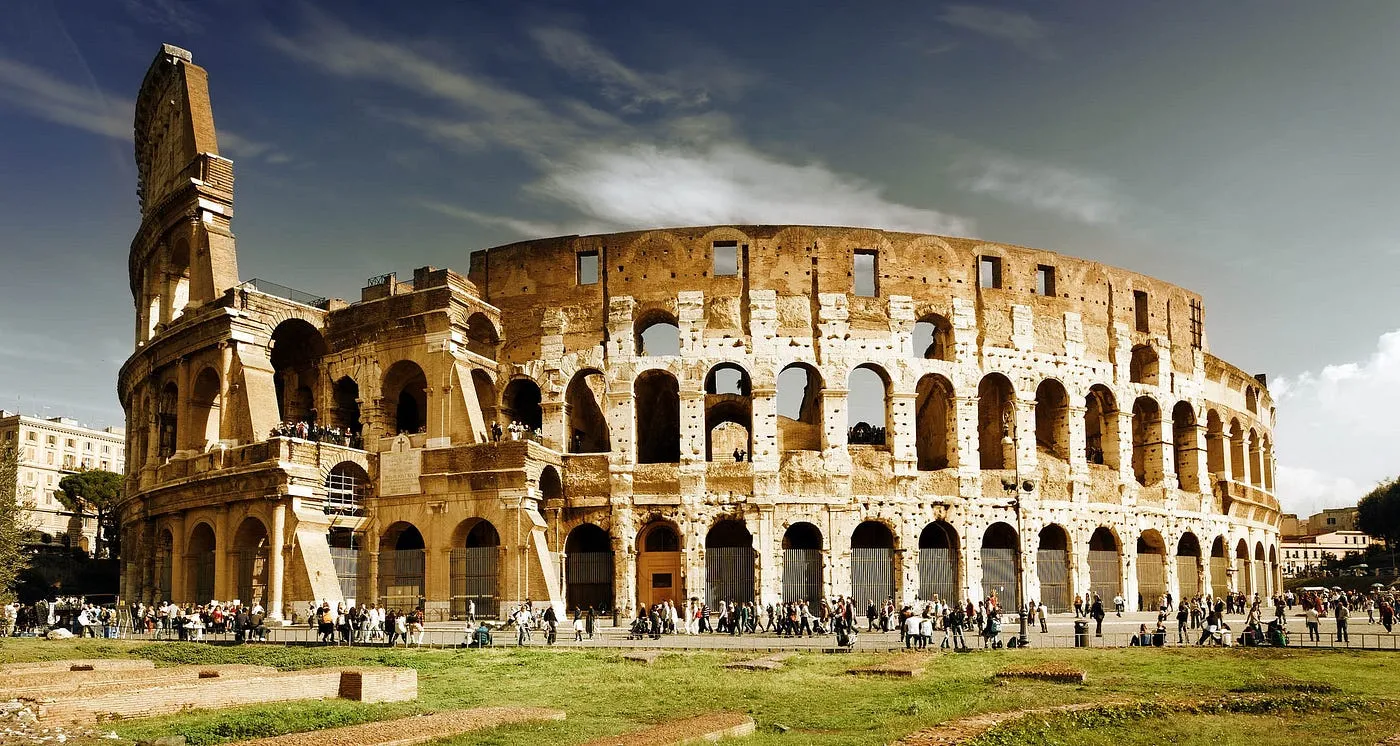
The Romans mastered the use of arches and domes, transforming the architectural landscape. These elements allowed for expansive interiors and enduring structures, setting a precedent for future architectural developments. Their mastery is showcase in iconic structures like the Colosseum and the Pantheon.
Arches distribute weight evenly, a concept utilized in bridges and cathedrals, while Roman domes provide vast, open interiors without structural compromise. These principles underpin modern architecture, ensuring aesthetic beauty alongside structural integrity.
Today’s architects draw on Roman techniques to solve contemporary challenges, incorporating arches and domes into innovative designs. From sports arenas to cultural landmarks, their influence persists, underscoring the timelessness of Roman engineering principles.
Related article: Revolutionizing Instant Connectivity and Collaboration
Urban Planning: The Grid System
Roman cities were meticulously planne using a grid system, ensuring functionality and organization. This approach, characterized by intersecting streets and defined urban zones, greatly influenced the planning of modern cities. It allowed for efficient navigation, resource distribution, and defense.
The Roman grid system facilitated infrastructure development, including roads, public spaces, and utilities. Its emphasis on symmetry and accessibility is evident in contemporary urban designs, where such principles support community cohesion and connectivity.
Cities today borrow from Roman planning to address growing urban challenges. The grid system’s adaptability and efficiency continue to inspire city planners aiming for balance between growth and sustainability, echoing the Roman vision for well-ordered urban environments.
Road Networks: Connecting an Empire
Roman roads were instrumental in connecting the vast empire, enabling communication and trade. Built with layers of materials for durability, these roads exemplify the advanced Roman understanding of construction and logistics. Their impact is mirrore in modern transportation infrastructure.
The design of Roman roads, with their straight paths and drainage systems, ensured reliability regardless of weather conditions. This foresight laid the groundwork for modern road construction, emphasizing longevity and efficiency. The legacy of Roman engineering in transportation is visible in highways and road networks today.
As cities expand and technology evolves, the principles behind Roman road construction continue to provide valuable insights. Balancing innovation with historical methods can lead to sustainable and robust modern infrastructure, much like the roads that once united an empire.
Sustainable Building Techniques
Romans pioneered sustainable building practices through materials and designs that remain relevant today. By utilizing local and natural resources, they minimized environmental impact and maximized resilience. These techniques align closely with modern sustainable practices.
Roman builders understood the importance of insulation and ventilation, incorporating such features to maintain comfort and efficiency. This awareness is mirrored in contemporary eco-friendly architecture, where energy efficiency is paramount.
The adoption of Roman sustainable methods offers insights for today’s green building initiatives. By studying ancient techniques, modern architects and builders can develop solutions that respect tradition while embracing future needs, ensuring the continuing influence of Roman engineering.
Frequently Asked Questions
How did Roman engineering influence modern infrastructure?
Roman engineering laid the groundwork for modern infrastructure by introducing durable materials and efficient designs. Their techniques in building roads, aqueducts, and urban layouts have been adapted to suit contemporary needs, ensuring sustainability and longevity.
What materials did Romans use that are still valued today?
Romans used materials such as concrete and stone, which remain integral to modern construction. Their innovative use of volcanic ash in concrete created structures that withstand time, influencing today’s advanced building materials.
How does Roman urban planning impact modern cities?
Roman urban planning, especially the grid system, shaped modern city design with its focus on symmetry and organization. This approach facilitates efficient transportation and supports economic and social development in contemporary urban settings.
Are there modern buildings inspired by Roman architecture?
Many modern buildings draw inspiration from Roman architecture, particularly in their use of arches, domes, and columns. These elements are integrated into public buildings, museums, and governmental structures, reflecting the enduring style and practicality of Roman designs.
What role did Roman engineering play in environmental sustainability?
Romans implemented sustainable practices by utilizing local materials and designing buildings with natural ventilation. These practices inform current sustainability efforts, highlighting the timelessness of environmentally conscious engineering.
Conclusion
The influence of Roman engineering on modern homes and infrastructure is a testament to their ingenuity and forward-thinking. From heating systems to architectural marvels, the principles and methods developed by the Romans continue to provide foundational insights for contemporary designs. Embracing these ancient techniques offers a pathway to creating resilient and sustainable living environments today.
As society seeks solutions for growing environmental and practical challenges, the lessons of Roman engineering offer valuable guidance. By blending time-tested techniques with modern innovation, we can forge new paths in architectural and urban development that honor history while embracing the future.