
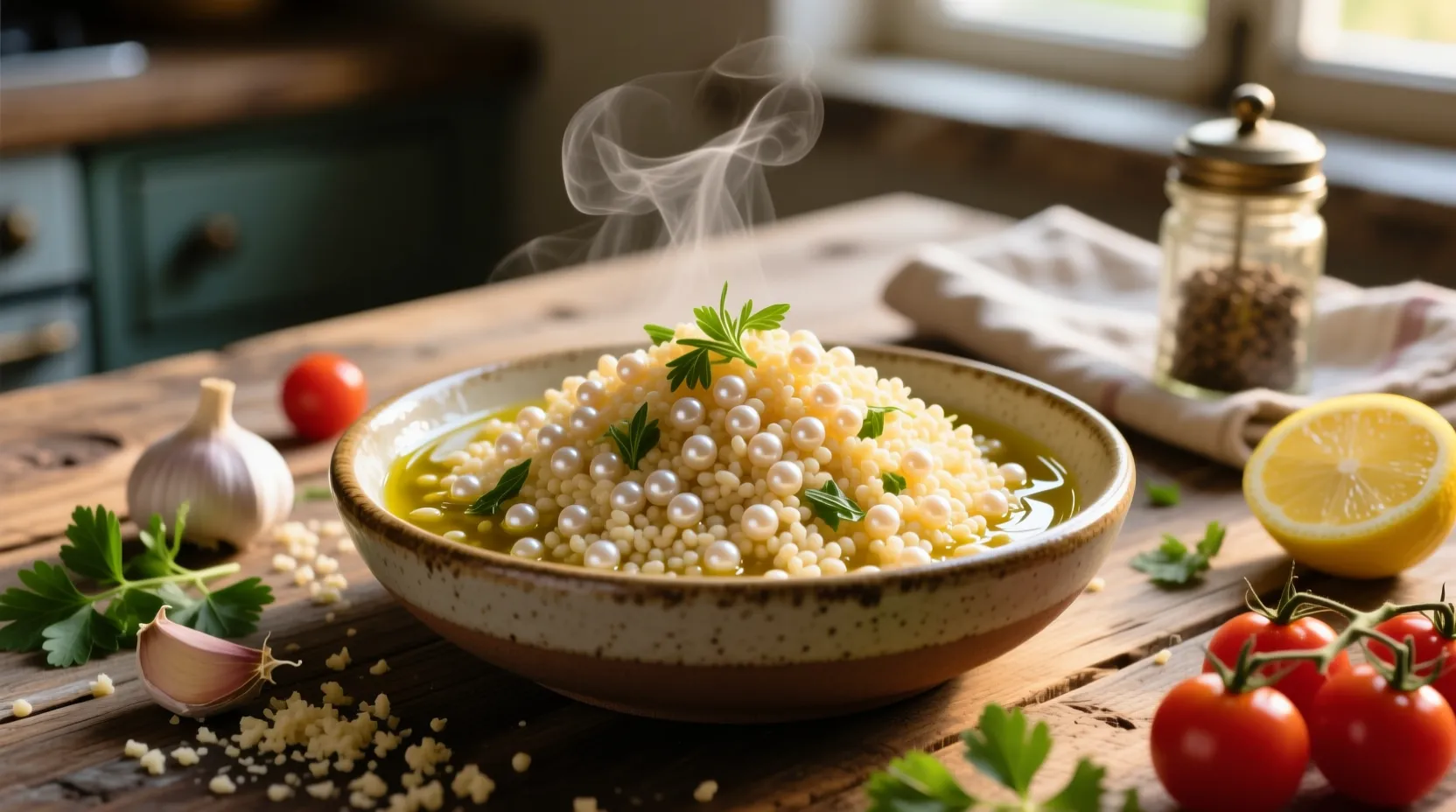
Kouskousi is more than just a meal it is a living testament to centuries of cultural heritage, family traditions, and culinary artistry. Rooted in North African cuisine, this humble dish has transcended borders, connecting people through shared meals and experiences. For many, it is a symbol of hospitality, community, and celebration, served during family gatherings, religious festivals, and communal feasts.
Its versatility and adaptability have allowed it to evolve with time, seamlessly fitting into modern kitchens while maintaining its traditional essence. Whether served as a simple weekday meal or the centerpiece of a grand celebration, kouskousi captures the essence of togetherness and the joy of sharing food. Its light, fluffy grains absorb flavors effortlessly, making it both a comforting staple and a canvas for culinary creativity across cultures.
Historical Origins about Kouskousi
The story begins with the Berber communities of North Africa. Centuries ago, these indigenous societies relied on hardy grains that could withstand the region’s demanding climate, creating a simple yet nourishing foundation for their meals. Over time, it evolved from this practical sustenance into a dish of cultural significance, reflecting the daily life, celebrations, and culinary ingenuity of its people.
As trade routes expanded across the Mediterranean, kouskousi traveled alongside merchants and travelers, gradually gaining popularity in regions beyond its original borders. Yet, despite its many adaptations, the core identity of the dish steamed semolina grains has remained constant, a unifying element linking generations and regions.
Beyond sustenance, it has served as a vehicle for preserving culinary knowledge and cultural heritage. Its preparation, traditionally passed from elders to younger generations, embodies centuries of history and reinforces the identity of North African communities.
Cultural Significance and Social Role of Kouskousi
It is deeply embedded in social and cultural life. Its preparation and consumption are often collective activities, bringing together family members and neighbors to share labor, stories, and meals. In many communities, the act of preparing is ritualistic, teaching respect for tradition, patience, and culinary technique.
The dish holds particular importance during religious festivals, weddings, and harvest celebrations:
- In Morocco, kouskousi features prominently during Eid al-Adha, where families gather to honor unity and gratitude.
- In Tunisia, it is central to wedding feasts, symbolizing prosperity and blessings for the newlyweds.
- In Algeria, harvest festivals celebrate bountiful crops with communal servings of them, strengthening community bonds.
Through these traditions, it acts as more than food it is a symbol of hospitality, familial ties, and social cohesion, connecting people across time and space.
Kouskousi Preparation Methods
The preparation of traditional kouskousi is an art that demands care, skill, and patience. The process typically involves:
- Moistening and Hand-Rolling the Grains: Semolina is lightly moistened and rolled by hand into fine granules, forming the foundation of the dish.
- Steaming Multiple Times: The grains are steamed repeatedly to achieve a light, fluffy, and airy texture, which allows them to absorb accompanying flavors.
- Pairing with Ingredients: Vegetables, legumes, meats, or fish are cooked slowly to enhance natural flavors and then combined with the grains.
- Spice Balance: Spices are used thoughtfully to create harmony rather than intensity, highlighting the essence of each ingredient.
This method not only produces a flavorful dish but also reinforces the cultural transmission of culinary knowledge, as younger generations observe and learn the techniques from elders. Patience and attentiveness are key, preparing kouskousi both a practical and a ritualistic experience.
Regional Variations of Kouskousi
It has evolved uniquely across regions, influenced by climate, agriculture, and local tastes. Each variation tells a story about its people and environment.
| Region | Key Ingredients | Flavor Profile | Special Notes |
| Morocco | Semolina, lamb, vegetables | Spiced, hearty | Served during festivals and gatherings |
| Algeria | Semolina, chicken, chickpeas | Mild spices, rich broth | Family gatherings |
| Tunisia | Semolina, lamb/vegetables, harissa | Spicy and tangy | Weddings and special occasions |
| Libya | Semolina, dates, milk | Sweet and nutty | Dessert or festive dish |
| Italy | Semolina, seafood, fresh herbs | Light, coastal | Known as “cuscus”; Mediterranean twist |
| Ethiopia | Semolina/injera, spiced lentils | Savory, communal | Local adaptation |
| France (Provence) | Semolina, ratatouille | Herbaceous, colorful | Modern European fusion |
Each variation demonstrates kouskousi’s adaptability, allowing it to absorb the essence of local cuisine while preserving its traditional base. From hearty Moroccan stews to light Mediterranean seafood dishes, the grains remain a versatile centerpiece of diverse culinary expressions.
Kouskousi Around the World
It has traveled far beyond North Africa, finding new life in global culinary traditions:
- North Africa (Morocco, Algeria, Tunisia): Remains a ceremonial and daily staple, reflecting local flavors and customs.
- Italy: Known as “cuscus,” often served with seafood, saffron, and fresh herbs, blending North African technique with Mediterranean coastal flavors.
- Middle East (Lebanon, Tunisia): Paired with rich stews flavored with spices such as cinnamon and cumin, integrating local tastes.
- France and Europe: Modern fusion interpretations incorporate seasonal vegetables, ratatouille, and inventive flavor pairings, appealing to contemporary diners.
The global embrace of kouskousi highlights its versatility and universal appeal, allowing it to connect cultures while remaining faithful to its origins. Its ability to adapt to new ingredients, flavors, and cooking methods ensures its continued relevance in kitchens worldwide.
Nutritional Value and Health Benefits
It is not only celebrated for its taste and cultural significance but also for its impressive nutritional profile. Made primarily from semolina or whole wheat, it serves as an excellent source of complex carbohydrates, providing steady energy without causing rapid spikes in blood sugar.
The dish is rich in dietary fiber, which supports healthy digestion, improves gut function, and promotes feelings of fullness, making it beneficial for weight management. Additionally, when paired with vegetables, legumes, or protein sources, kouskousi forms a complete and balanced meal, supplying essential nutrients for both physical and cognitive health.Kouskousi also has a low glycemic index, which helps maintain healthy blood sugar levels, making it suitable for people managing diabetes or seeking to stabilize energy throughout the day. Moreover, it contains antioxidants, which combat oxidative stress in the body and support heart health.
Its versatility allows it to fit seamlessly into modern dietary trends, including vegetarian, plant-based, and lighter meal plans. This balance of taste, nutrition, and adaptability has contributed to its enduring popularity across generations and cultures.
Traditional and Modern Recipes of Kouskousi
Its appeal lies in its ability to embrace both traditional and contemporary culinary interpretations.
Traditional Recipes
- Moroccan Lamb with Vegetables: Tender lamb cooked with root vegetables, chickpeas, and a medley of spices such as saffron, cinnamon, and cumin. The grains are steamed to perfection, absorbing the flavors of the stew.
- Tunisian Kouskousi with Harissa-Spiced Stews: A vibrant dish featuring lamb or vegetables in a tomato-based broth, enriched with harissa paste for a spicy, aromatic kick.
Modern Interpretations
- Seafood Paella with Saffron Couscous: A creative fusion that replaces traditional rice with couscous, combining shrimp, mussels, and calamari in a saffron-infused broth for a Mediterranean twist.
- Roasted Vegetable Tagines and Fusion Flatbreads: Incorporates seasonal vegetables, tahini, and even pomegranate seeds, showcasing how kouskousi can serve as a base for innovative flavor combinations.
These modern adaptations demonstrate that innovation can complement tradition without losing authenticity. By blending classic preparation techniques with contemporary ingredients and flavor pairings, it continues to evolve while honoring its cultural roots.
Kouskousi in Restaurants and Contemporary Dining
The resurgence of it in contemporary dining illustrates its global culinary appeal. Modern restaurants, especially those specializing in Mediterranean fusion, have elevated the dish into a gourmet experience.
Menu Highlights
Signature dishes include saffron-infused couscous, seafood paella, and roasted vegetable tagines. Each plate blends traditional flavors with modern presentation, appealing to both local and international diners.
Ambiance
A rustic-modern decor with mosaic tiles, warm wood accents, and open kitchens allows diners to witness the artistry behind each dish. Live music on weekends adds to the immersive experience, making dining at Kouskousi as much about culture as it is about food.
Sustainability Practices
Ingredients are sourced locally, with seasonal produce taking center stage. Eco-friendly practices, including composting and biodegradable packaging, reinforce a commitment to the environment.
Community Involvement of Kouskousi
The restaurant participates in initiatives promoting sustainable eating and supporting local farmers, creating a culinary ecosystem that benefits both patrons and the community.
Customer Experience
Diners consistently praise the restaurant for innovative flavors, attentive service, and a welcoming atmosphere, demonstrating how it continues to inspire memorable culinary experiences worldwide.
Kouskousi Festivals and Celebrations
Kouskousi maintains a central role in social and celebratory contexts, reinforcing cultural traditions across generations.
- In Morocco, it is a staple during Eid al-Adha, where families and neighbors share bowls of steaming couscous, emphasizing unity and gratitude.
- In Tunisia, it is a traditional highlight at weddings, symbolizing prosperity and blessings for newlyweds.
- In Algeria, harvest festivals often feature communal servings of it, bringing villagers together to celebrate the season’s bounty.
Through these events, kouskousi functions as both nourishment and a cultural bridge, preserving community values, connecting generations, and turning meals into shared celebrations of heritage.
Kouskousi Tradition for the Future
While it has embraced modern culinary trends, preserving its traditional roots remains essential. Passing down preparation techniques from elders to younger generations ensures that cultural knowledge and identity are maintained.
Educators, families, and cultural organizations play a pivotal role in sustaining the practice, whether through cooking classes, workshops, or festivals. Balancing innovation with tradition allows it to remain relevant while honoring its history.As both a daily meal and a ceremonial centerpiece, kouskousi serves as a living symbol of history, community, and continuity, connecting the past with the present in every grain.
Conclusion
It is far more than a dish; it is a culinary emblem of tradition, community, and global adaptability. From its origins in North Africa to its presence in contemporary fusion restaurants worldwide, it embodies the harmony of heritage and innovation.
Nutritionally, it provides complex carbohydrates, fiber, and plant-based protein, making it suitable for modern diets while offering health benefits such as improved digestion, heart health, and blood sugar regulation. Culturally, it strengthens family bonds, social cohesion, and intergenerational connection, whether served at home, during festivals, or in celebratory feasts.